Monday, March 25, 2013

Boycotting Charity Art Auctions

Here's an interesting article I read in the Huffington Post by Mat Gleason on why artists should cease and desist donating art to charity art auctions:

http://www.huffingtonpost.com/mat-gleason/charity-art-auctions-_b_872953.html


Mat says that:

Instead of tossing away another great artwork to a good cause, join the good cause of boycotting charity art auctions. When you join this cause ...
•You stop taking revenue out of the art world
•You stop shifting art collector dollars to the bottomless pits of recurring annual Beg-A-Thons
•You don't contextualize your art as being a synonym of pretentious panhandling
•You don't announce that your art is worth low bids
•You don't risk that your work will be publicly seen getting no bids
•You don't empower strangers to devalue your artwork
•Most importantly, you stop publicly proclaiming that you give your art away

I don't know about you, but I agree with him entirely. I've been preaching along these lines throughout this blog.

Mat makes a lot of great points. Among them:


Suppose you want to at least deduct a donation of your art to the charity, guess what? The law only allows an artist to deduct the cost of materials. Meanwhile a collector can buy your work for the minimum bid, have it appraised at its full retail value and donate it to some other good cause for that top dollar amount.
As for the merits of the infinite number of good causes out there, what is the value in giving up a painting that would sell for a thousand dollars retail in order to see it raise 50 Bucks for that cause? Pick one charity, donate generously and keep the collectors assuming that the price you ask at the gallery is the best and only price they are going to get.

I have seen many cases where work of art was auctioned off for less than the cost of materials in the piece. The artist would have been better off just giving the charity some money, instead of throwing away their art.

Thanks Mat, for letting me know I'm not alone!

Wednesday, January 30, 2013

Saturday's the Polar Plunge!

In a few days I'll be jumping into the Atlantic Ocean at Virginia Beach to raise money for the Special Olympics. Low Friday, 14 degrees. High Saturday, 48 degrees. I'll be a popsicle!

Here's my page if you'd like to donate some money to a great cause!

http://www.firstgiving.com/fundraiser/ArthurBrill/2013polarplungeVA

Sunday, December 16, 2012

Special Olympics Polar Plunge

On February 2nd, I will be jumping into the Atlantic Ocean at Virginia Beach to raise money for the Special Olympics. This if my first time doing that sort of thing, and I don't even want to think about how cold the water is going to be.

If you want to donate $10 (or more or less) to the Special Olympics, so that there is actually some point to me freezing my patootie off,  please visit my fundraising page:

http://www.firstgiving.com/fundraiser/ArthurBrill/2013polarplungeVA

If you are brave and daring, join a team yourself and take a dive! Here is some youtube footage I found from past years:


Yeah... I'm gonna do that!


Tuesday, November 6, 2012

Be Sure and Vote Today!

I voted this morning about 10:30 am. My district has a little over 1300 registered voters. I was voter number 539. Not a bad turnout for the morning so far!


Monday, November 5, 2012

Working Artists and the Greater Economy

Got this in my email today:


Marion Von Osten: Be Creative! With responses from Andrew Ross +plus+ new developments in W.A.G.E. Certification

November 8, 2012 at Artists Space : Books & Talks

For this talk, originally scheduled for March 27 2012 and the third in a series of public forums contributing to W.A.G.E. and Artists Space's Research Partnership, curator, artist and writer Marion von Osten will give a presentation on the current conditions of artist labor in relation to the formation of creative and cultural industries. Von Osten has produced numerous texts and projects plotting the evolution of artists' work as a model for neo-liberal economies, including the exhibition Be Creative! The Creative Imperative (Museum für Gestaltung Zürich, 2002); the research and event based project Atelier Europa (Kunstverein Munich, 2004); and the recent text "Unpredictable Outcomes / Unpredictable Outcasts: On Recent Debates over Creativity and the Creative Industries" fromCritique of Creativity (Mayfly books, 2011).

Following her presentation, von Osten will be joined by Andrew Ross, Professor of Social and Cultural Analysis at NYU. Ross's research analyzes contemporary labor, the urban economic landscape and the organization of work. His books include No-Collar: The Humane Workplace and Its Hidden Costs (Basic Books, 2002), Low Pay, High Profile: The Global Push for Fair Labor (New Press, 2004) and Nice Work If You Can Get It: Life and Labor in Precarious Times (NYU Press, 2009).

Marion von Osten and Andrew Ross will be preceded by a brief presentation by W.A.G.E. summarizing recent developments in the conception of W.A.G.E. Certification, an initiative that will 'certify' nonprofit organizations and museums which follow an established best practices model, and pay artist fees meeting a minimum payment standard. The presentations and following discussion will look to locate W.A.G.E's advocacy for the payment of artist fees by non-profit art institutions, and the research into the establishment of best practice models, in a broader discourse around the economies of creative labor.

For more info, go to www.wageforwork.com


Wednesday, October 31, 2012

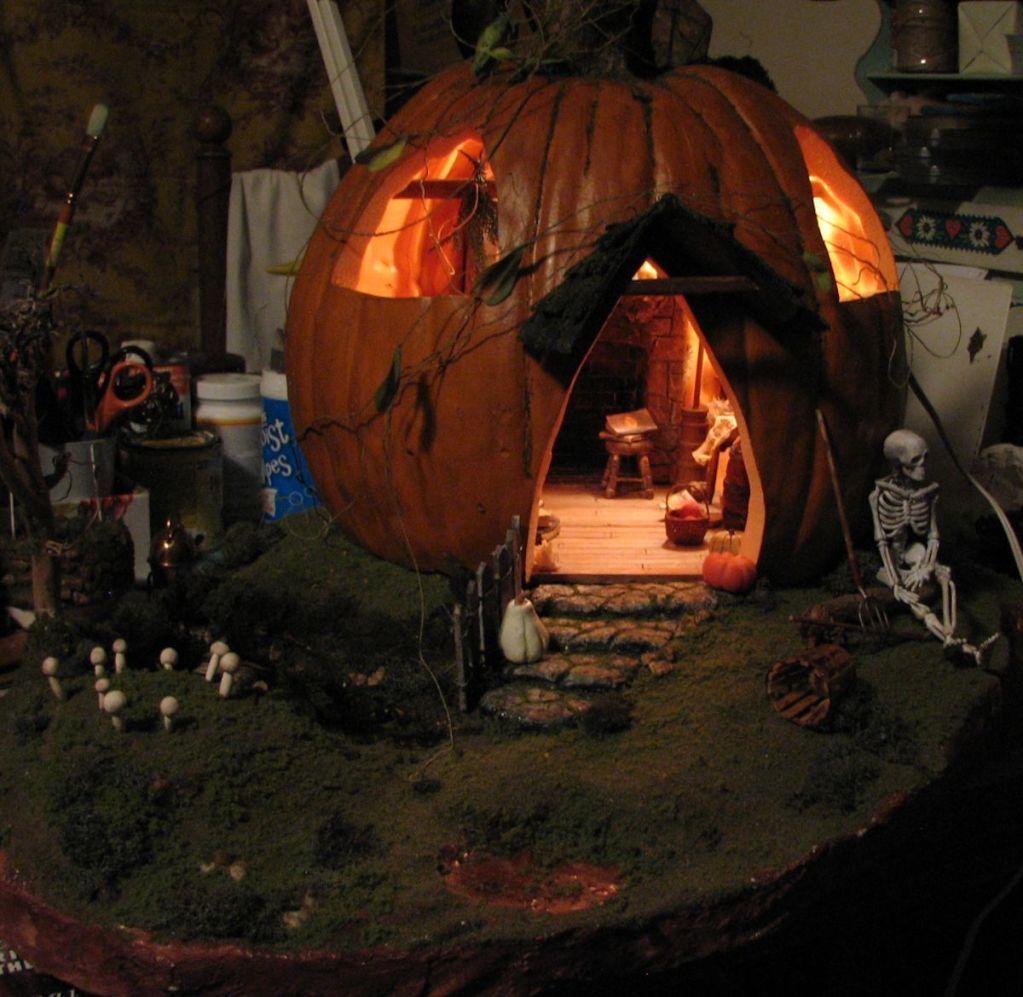
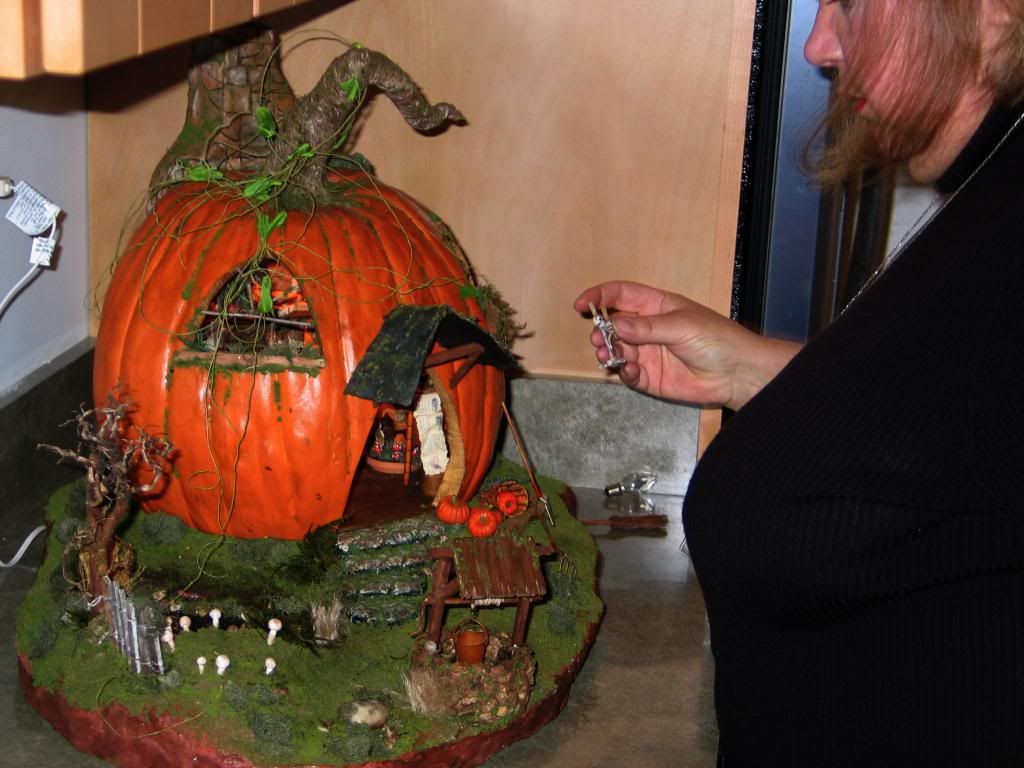
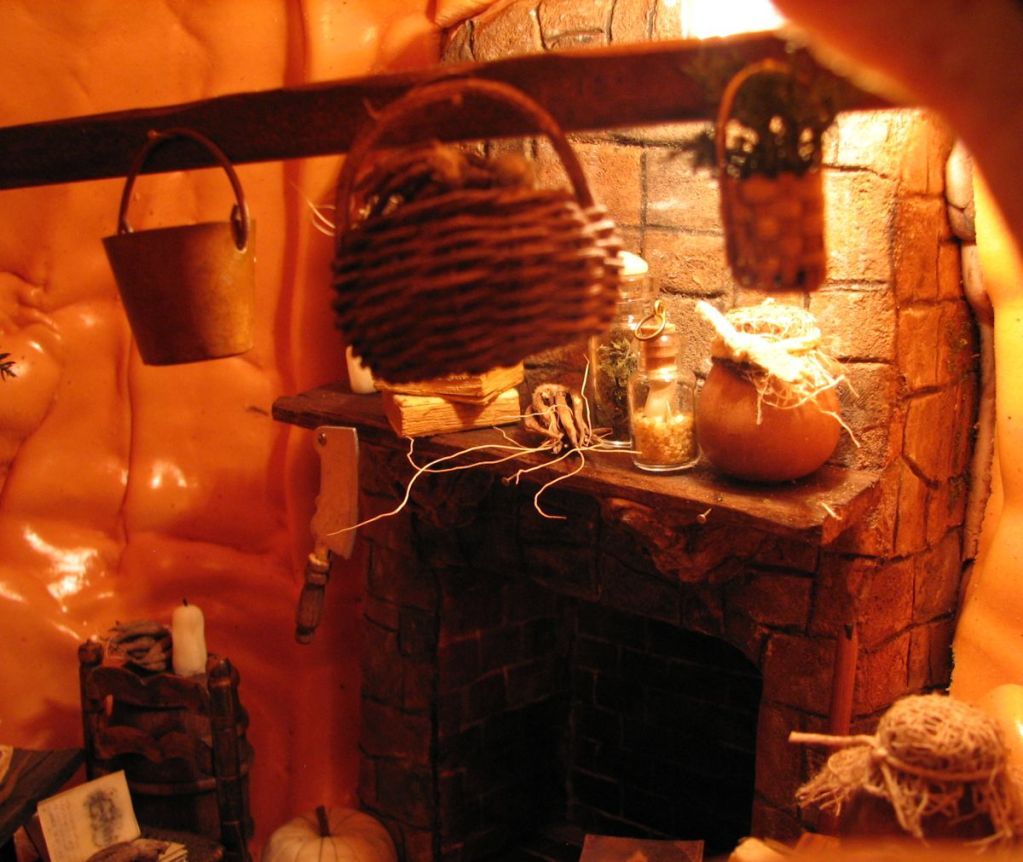
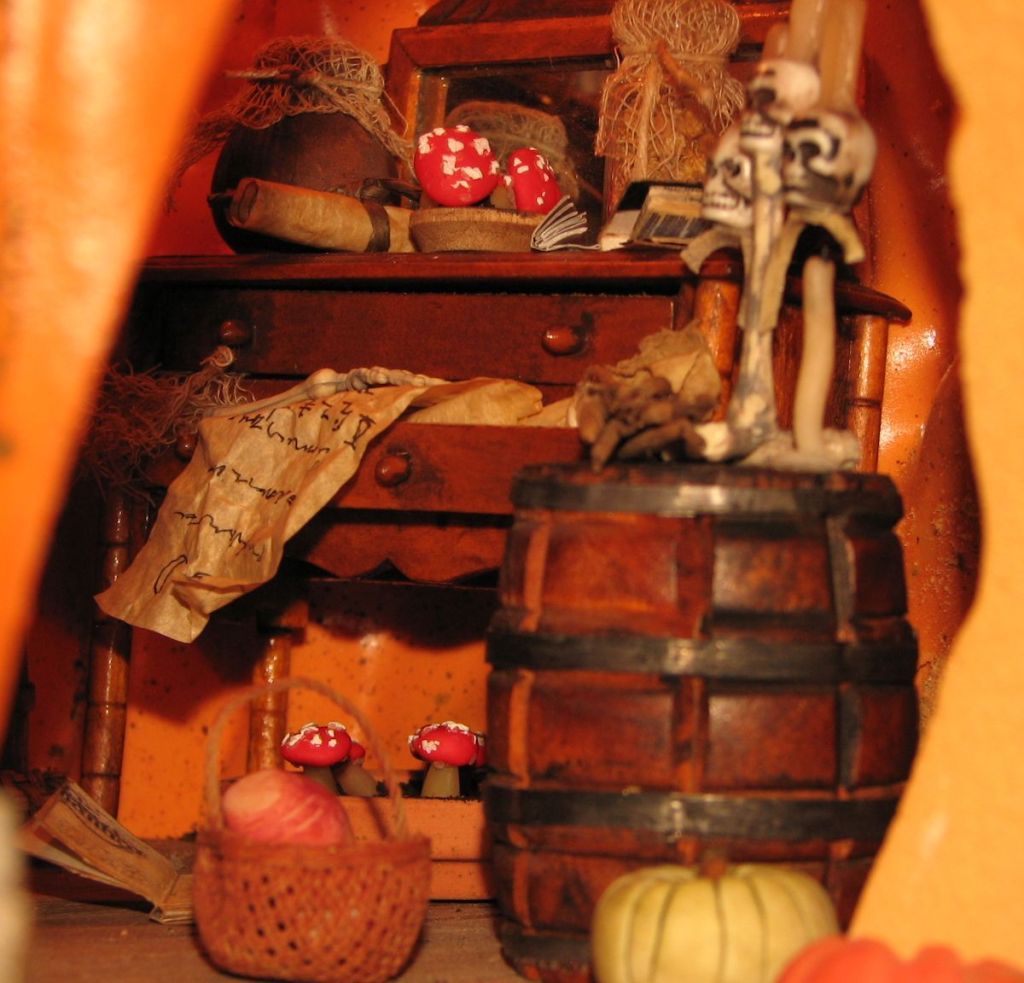
Pumpkin Witch House

Happy Halloween.

Here's a project I worked on with my friend Ronda Loyer.


Wednesday, October 24, 2012

Art, What is it Good for?

I frequent an online arts discussion forum, and every now an then the subject come up of the "value" of art. A poster wrote:

I want to understand the value of young artist work. There seems to be a plethora of cartoons and work influenced by video games, violence, and seemingly shallow and markedly gruesome subject matter. I am open minded. Someone please explain to me how to appreciate such expressions. Has formal training in the visual arts died? I understand commercialism, replication, pop arts and pop culture. But these doodles that fill the smaller galleries in Philadelphia are warping my artistic sensibility. I want to see the value in this but am struggling. Anyone up for a critical discussion? 


I wrote this in response:


You seem to be implying that art should be implicitly good for something other than self expression.

Certainly there are other types of art... commercial art, commissioned art, "social practice" art. But fundamentally, in my experience an artist creates because he/she "has to", not because it is "good for" anything.

In the free market, that work will either be collected, or it won't. If the art is purchased, it means that that piece of art somehow communicated with another person.

Artistic expression tends to speak in languages. If you are creating art about Harry Potter, you are speaking to Harry Potter fans. If you are creating zombie art, you are talking to a particular subset of horror genre fans.

Artists who are formally trained tend to talk to other artists. Rules of self-generated composition and techniques that are esoteric languages designed to communicate to those who are "in the club".

Commercialism, pop arts, and pop culture says "f*ck that". It is the difference between telling a joke like:

Renee Descartes was on a flight to France when the stewardess asked him, "Coffee, tea, milk, Mr. Descartes?" "I think not," he replied. And VANISHED!

And a joke like (told in a southern accent):

Why's my fanger like a lemon pie? "Cause it's got my rang on it!"

The pun has been called the lowest form of humor. But I enjoy them throughly. What is a joke good for? Do you need to be versed in existential philosophy to be able to laugh? Do you need to be formally trained in visual art to enjoy imagery?


Think of how poetry has evolved over the centuries. The complex rules surrounding sonnets, haiku, etc...

Imagine if humor had those rules. Granted, limericks have a foothold in the world of poetry and humor, thus the rigid structure. But imagine a parallel world where there were subsets and genres of humor, each with its own set of rules... a "school" of humor. Humor snobs would create comedy clubs that wound up hosting comics who told jokes that only other comics would understand.

Imagine if you had to be versed in the origin of the "Niagara Falls!" routine (Slowly I turned, Step by Step, Inch by Inch) in order to understand a whole evening of jokes. Imagine all the people pretending to "get it" as they drank wine and nibbled on crackers and salmon; the room filled with queasy laughter, and half a dozen genuine deep belly roll laughs.

That is what we have done to art.